
The Guinndex: inspired research, inspiring example
.jpg)
.
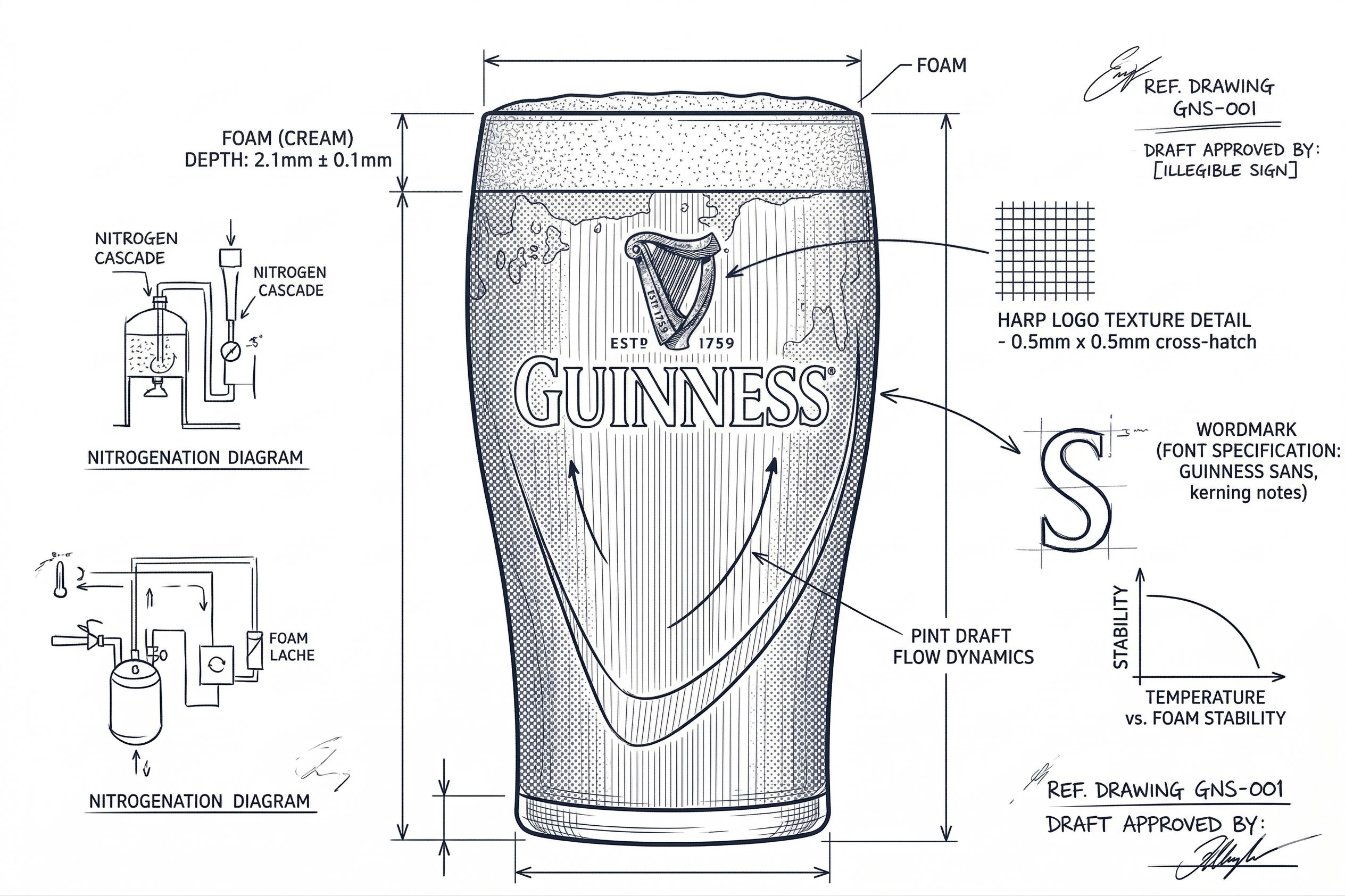
It’s been great seeing the viral coverage for ‘The Guinndex’ over the past fortnight, a wonderful project from AI engineer Matt Cortland. If you’ve not yet come across it yet, it’s his inspired attempt to track (and help to stabilise) the price of a pint of Guinness across Ireland.
Tracking and indexing prices is usually the work of a dusty government body, but the Irish Central Statistics Office stopped tracking Guinness prices back in 2011 (it does still track pints of lager, stout, ale and cider; it’s not clear why Guinness was singled out for exclusion). After paying €7.80 for a pint, Cortland decided to do more than just have a bit of a moan about it; he decided to take action.
Pairing his unique combination of skills (AI engineer + former pub operator/owner), Matt built a tool that queried Google Maps to extract a list of about 5,500 pubs. He then set up an AI voice agent dubbed Rachel who rang pubs across all 32 counties and enquired about the price of a pint. Out of the 3,000+ pubs called, a total of 2,052 answered and more than 1,000 told her the price of their Guinness. This input provided the basis for the price index, which has since attracted hundreds of additional voluntary contributions from pubs and patrons. As a result, The Guinndex provides live, interactive and verified prices for nearly 1,500 pubs.
As a bit of a B2B research nerd, several things have excited me about the story, and Cortland’s viral impact:
It’s a rare example of AI-powered research. There is a vast amount written about AI, but surprisingly little AI used within research. B2B examples of using AI within research are few and far between, so this is a great case study of how AI can help deliver insights that can’t easily be delivered via traditional research means.
Creating a new data-set, rather than being stumped by a lack of secondary data. B2B studies are often constrained by limitations in the availability of relevant data. Most often, we instead rely on alternative inputs (such as proxy data points). Sometimes the lack of a core data point is ignored altogether, which isn’t great practice. This example is a creative reminder that sometimes it’s worth going through the effort of collecting the primary data inputs needed to underpin a study.
The speed of delivery is eye-opening. For those who work in B2B research, timelines are typically measured in months. The AI-enabled Rachel held 2,000+ conversations with pub owners over the course of a single weekend, getting the core index up and running. Voluntary contributions have continuously expanded that base ever since.
It highlights that AI-based interviewing is now viable. The use of AI-based conversational platforms, such as Conveo or Inca, provide AI agents to conduct qualitative interviews at scale, synthesising hundreds of conversations in just a few days. While currently focused on consumers rather than B2B executives, the method is faster, cheaper, and richer than traditional approaches. And it’s already well established that AI-based tools can do a better job of analysing qualitative data than most humans (more on that here).
Global coverage, from a standing start. Thanks to an inspired idea and novel approach, a one-man-band got global coverage and media pick-up. Global organisations with significant resources sometimes manage to get little or no coverage for their reports and studies. Some may feel the comparison is unfair: it’s inherently harder getting coverage about dry governance topics or niche technology issues, I hear you say. I’d counter that consumer price indexes aren’t necessarily sexy, but Cortland reframed it in a smart and emotionally-resonant way that appeals to a broad audience. Nobody likes to pay too much for their pint.